
Parts Work
“Successful treatment of childhood trauma or Complex PTSD requires the ability to work with parts and ego states. Within parts work therapy, you achieve trauma resolution by recognizing disowned parts and giving these parts a voice. The goal is to help you develop an embodied sense of self that can compassionately hold your emotions, vulnerable sensations, and young parts of self.”
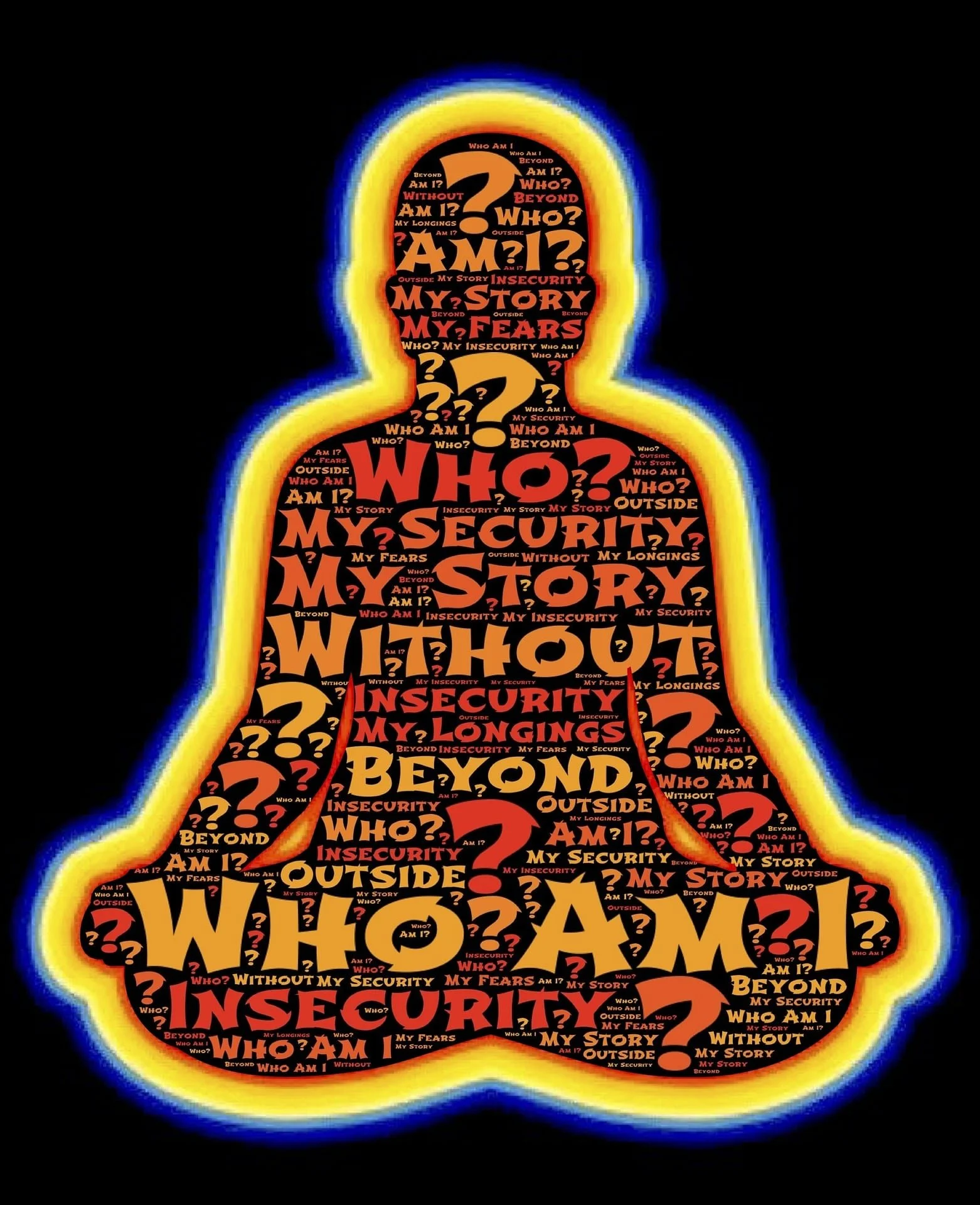
Parts Work draws from a variety of similar concepts with a common underlying foundational understanding that our personalities are comprised of many different aspects of ourselves. Sometimes these aspects are rooted in “roles.” For example, at work you might carry out a way of behaving and interacting with others primarily though your professional identity, versus when you are roughhousing with your young children at home and you might interact and behave as the fun--loving Dad or even a bit like a child yourself. In each of these examples, you are primarily “channeling” a particular “part” or aspect of yourself.
When we have unresolved developmental trauma, that trauma tends to be “stored” within us at the age that it happened. That is why we can find ourselves “triggered” by something and suddenly feel like that eight year old child again.
Interacting with our inner community can give us access to wounded parts of ourselves for both understanding and healing. As the underlying traumas are healed, we no longer find ourselves fused with the eight year child version of ourselves. Our perceptions match our current adult age and we “see” the memory though our current chronological age whereas we previously experienced the memory as that eight year old child part of ourself.
Two different variations of Parts Work models that I may draw from in my own practice include Ego State Therapy and Internal Family Systems.